
Pest Control Forest Hill
Booking on behalf of a tenant
Agree who will meet the technician, which rooms can be inspected and who should receive the findings. A tenant’s description and the booking agent’s information may cover different parts of the problem. Keep the contact details and access instructions clear so the person on site can explain the current evidence.
Call 020 3514 3293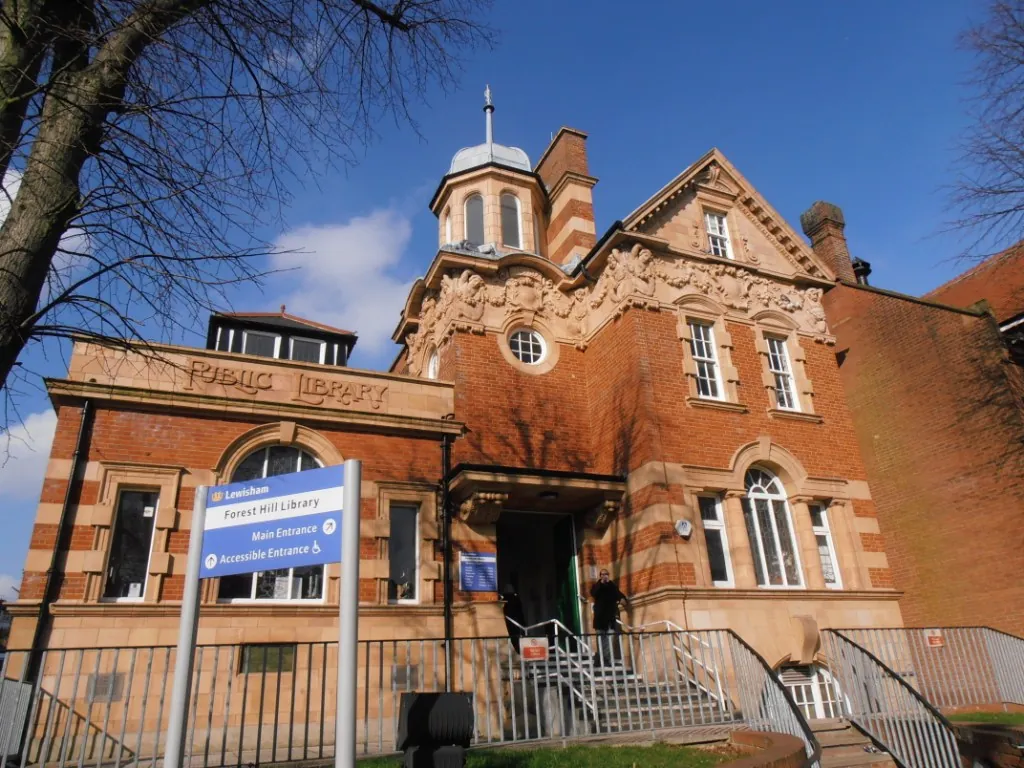
How pest control in Forest Hill works
Our pest control in Forest Hill follows the evidence available at the premises. From the opening conversation onwards, we explain the relevant findings, the scope of the proposal and the practical next steps.
Tell us about the signs
An enquiry is more useful when we can connect each observation with a place and time, so we help you organise the information you already have. We clarify which address and unit the enquiry concerns, because a street name or nearby station does not tell us which entrance serves the affected space.
Inspect the affected spaces
During the visit, we review where signs are present and where they are absent, helping define the affected area without treating the entire building as identical. Your observations remain useful throughout the assessment, especially when activity is intermittent or the latest signs are no longer visible at the time of the visit.
Agree the right approach
Planning the work means considering the pest, the affected space and the use of the property together, then explaining the approach that follows from that assessment. The scope discussion is also the time to clarify questions about additional work, so a treatment quote is not mistaken for an agreement to repair the building.
Follow through and prevent
We explain the relevant instructions before leaving the completed work, helping you understand how your actions around treated areas can affect the next stage of assessment. If access or repairs remain outstanding, we explain how those limits affect the next discussion, and any additional work should be clarified before it is scheduled or priced.
For help planning the next step, call with the postcode, the affected spaces and any recent evidence you can describe safely.
Discuss an inspectionLocation and access
Forest Hill includes addresses within the London Borough of Lewisham. For shared premises, identify the unit and the entrance to use.
Birds gathering at a building
Say whether the activity involves occasional landing, regular roosting or visible nesting material. These are different situations and can affect what work is appropriate. The bird assessment page explains why species, nesting constraints and safe access need attention before equipment is proposed.
Separate nest treatment from physical removal
If the enquiry concerns wasps, ask whether the proposed work treats an active nest, removes accessible material or both. A nest in a wall cavity may not be reachable without building work. Describe the position and access before assuming removal is included.
Ask when progress should be reviewed
Different pests and methods have different review needs. Agree when the team expects an update and what evidence should prompt contact. The absence of a fixed instant result does not tell you whether a particular plan has succeeded; monitoring needs to match the treatment used.
Service starting prices
| Treatment | From |
|---|---|
| Mice | £85 |
| Rats | £95 |
| Bed bugs | £145 |
| Cockroaches | £110 |
| Wasps | £85 |
| Ants | £75 |
Confirm the scope, access and any return visits in your quote.
Keep the next step proportionate to the evidence
Start with the signs, their location and the access available. Identification, inspection, treatment and repairs are related but different decisions. A clear account of the property helps the team explain which step is appropriate and what information or permission is still needed.
How should a suspected nest be described?
State the position, approximate height and the activity you can observe safely. A photograph from a distance may help. Do not approach, block or dismantle it to identify the occupant; the appropriate assessment depends on the species and access.
Nearby coverage
Discuss an inspection
Call with the postcode, signs and access details.