
Pest Control Haggerston
Several rooms in shared accommodation
For a shared house, record the affected bedrooms and communal rooms separately. Ask each occupier about visible evidence and earlier treatments without assuming every room needs the same work. The person booking should arrange access and pass on preparation instructions to everyone whose room is included.
Call 020 3514 3293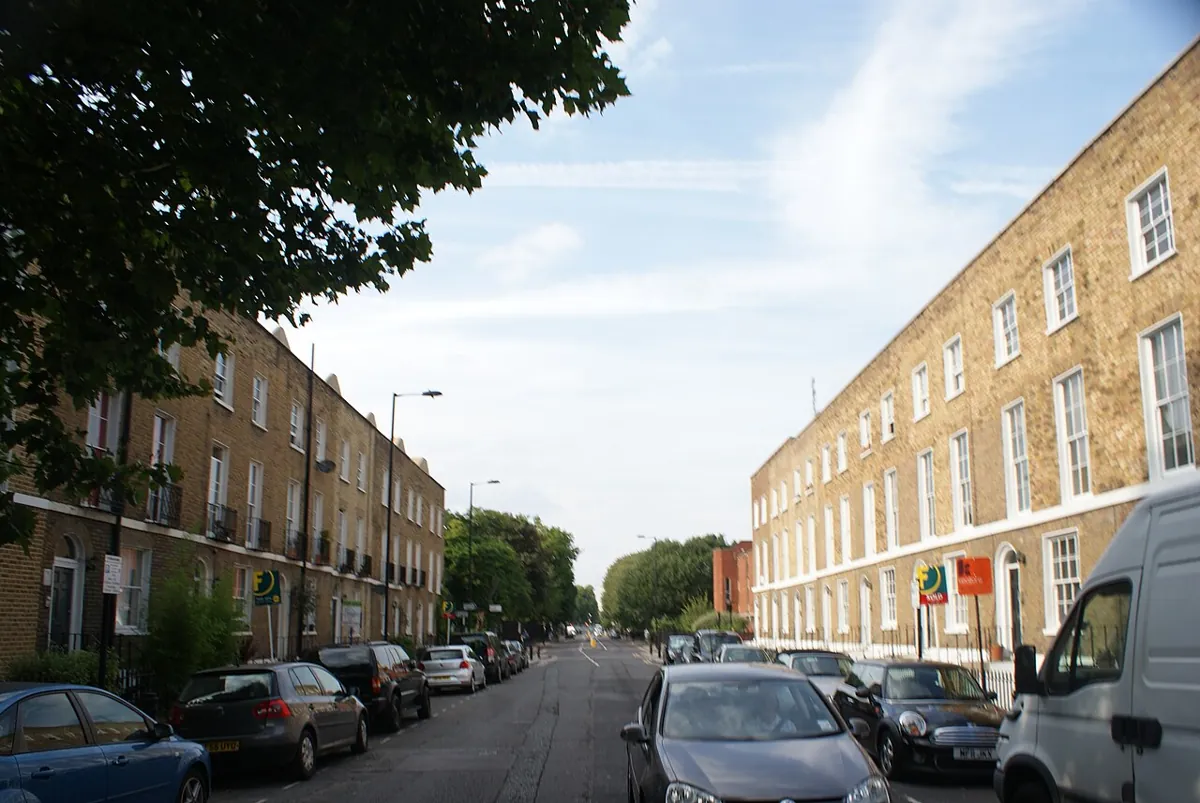
How pest control in Haggerston works
We approach pest control in Haggerston by understanding the reported activity before recommending a response. The process below explains how your enquiry becomes an assessment and a practical discussion about the work.
Tell us about the signs
We first establish whether the concern affects a single room, several occupied spaces or an outside area, and who can explain what has happened so far. Explain whether someone can meet the technician and show the affected locations, helping avoid an appointment where important spaces remain inaccessible or the report cannot be clarified.
Inspect the affected spaces
We consider visible activity, damage and accessible entry opportunities together, so a treatment decision is informed by more than the room where the concern first appeared. We make clear when a suspected defect requires another investigation, so a possibility raised during the visit does not become an unsupported diagnosis of the building.
Agree the right approach
We explain the recommended next step before asking you to proceed, making sure the proposed work relates to the assessment and the areas actually covered by it. The scope discussion is also the time to clarify questions about additional work, so a treatment quote is not mistaken for an agreement to repair the building.
Follow through and prevent
We explain what you should do after the work and which changes to report, helping distinguish new observations from the evidence that was already present before treatment. The prevention discussion considers the conditions found during the visit, with practical recommendations distinguished from repairs that need another contractor or permission from a managing agent.
You can call to explain the concern, discuss the access available and ask what the proposed inspection would involve at your property.
Discuss an inspectionLocation and access
Haggerston includes addresses within the London Borough of Hackney. For shared premises, identify the unit and the entrance to use.
A small insect that jumps
Jumping insects around carpets or pet resting places may point towards fleas, but identification still matters. Explain whether animals live or previously lived at the property and which rooms are affected. Compare the flea treatment guidance before assuming a general insect spray will address the source.
Understand any proposed monitoring equipment
Ask what the equipment is intended to show, where it will be placed and when it will be checked. Keep it away from interference and follow the technician’s instructions. Its presence does not mean you should add products, change its position or inspect inaccessible spaces yourself.
Keep separate units in the record
For a shared building, note which flat, shop or common area each report concerns. This avoids attributing another occupier’s evidence to the space already treated. A coordinated record helps identify where access, inspection or a further management decision may be needed.
Service starting prices
| Treatment | From |
|---|---|
| Mice | £85 |
| Rats | £95 |
| Bed bugs | £145 |
| Cockroaches | £110 |
| Wasps | £85 |
| Ants | £75 |
Confirm the scope, access and any return visits in your quote.
Keep the next step proportionate to the evidence
Start with the signs, their location and the access available. Identification, inspection, treatment and repairs are related but different decisions. A clear account of the property helps the team explain which step is appropriate and what information or permission is still needed.
Is a sighting enough to choose treatment?
A sighting is useful evidence, but the species, location and extent of activity still matter. Describe what happened and any repeated signs. The suitable response should follow identification and the property assessment rather than an assumption based on one event.
Nearby coverage
Discuss an inspection
Call with the postcode, signs and access details.